
Discover the Secrets of Side Yard Desert Landscape Design
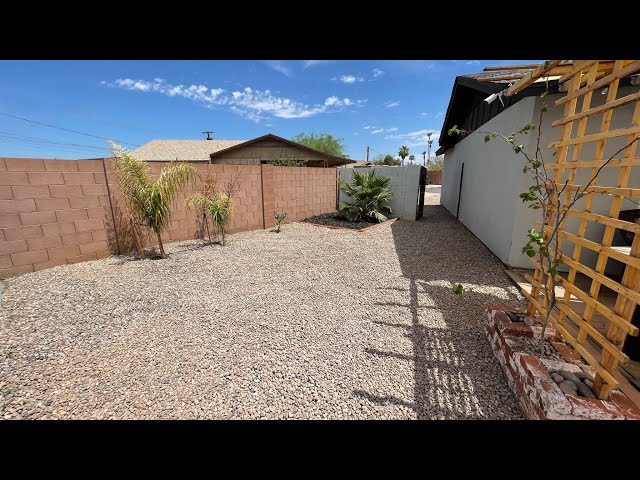
Side yard desert landscape design is a landscaping style that is specifically designed for the unique climate and soil conditions of desert regions. It typically incorporates drought-tolerant plants, such as cacti, succulents, and other native species, as well as hardscape elements like rocks, gravel, and decomposed granite. Side yard desert landscape design can help to create a beautiful and functional outdoor space that is both water-wise and low-maintenance.
There are many benefits to side yard desert landscape design. First, it can help to conserve water. Desert regions are often characterized by limited water resources, so it is important to choose plants that are adapted to these conditions. Drought-tolerant plants require less water to survive and thrive, which can help to reduce your water bill and conserve precious resources. Second, side yard desert landscape design can be low-maintenance. Desert plants are typically very hardy and require minimal care. They do not need to be fertilized or watered frequently, and they can tolerate harsh conditions. This can save you time and money on maintenance costs.
Finally, side yard desert landscape design can be beautiful and inviting. There are many different types of desert plants to choose from, so you can create a landscape that is unique and reflects your personal style. Desert plants come in a variety of shapes, sizes, and colors, so you can create a landscape that is both visually appealing and functional.
Side yard desert landscape design
Side yard desert landscape design is a unique and beautiful landscaping style that is well-suited to the climate and soil conditions of desert regions. It incorporates drought-tolerant plants, hardscape elements, and sustainable design principles to create a water-wise and low-maintenance outdoor space.
- Drought-tolerant plants: These plants are adapted to survive and thrive in dry conditions, requiring minimal water and care.
- Hardscape elements: Rocks, gravel, and decomposed granite are commonly used in desert landscaping to create paths, patios, and other features.
- Sustainable design: Desert landscape design often incorporates principles of sustainability, such as water conservation and the use of native plants.
- Low-maintenance: Desert plants are generally low-maintenance, requiring minimal watering, fertilization, and pruning.
- Water-wise: Desert landscape design aims to conserve water by using drought-tolerant plants and efficient irrigation systems.
- Unique and beautiful: Desert plants come in a variety of shapes, sizes, and colors, allowing for the creation of unique and beautiful landscapes.
- Climate-adapted: Desert landscape design is specifically adapted to the unique climate conditions of desert regions, including extreme heat, drought, and wind.
- Low water needs: Drought-tolerant plants have low water needs, making them ideal for desert landscapes where water is scarce.
- Sustainable landscaping: Desert landscape design promotes sustainable landscaping practices, such as reducing water consumption and using native plants.
- Increased property value: A well-designed desert landscape can increase the property value of a home.
These key aspects of side yard desert landscape design come together to create a beautiful, functional, and sustainable outdoor space. By incorporating drought-tolerant plants, hardscape elements, and sustainable design principles, desert landscape design can help to conserve water, reduce maintenance costs, and create a unique and inviting outdoor space.
Drought-tolerant plants
In the context of side yard desert landscape design, drought-tolerant plants play a crucial role in creating a sustainable and water-wise outdoor space. These plants are specially adapted to withstand the harsh conditions of desert environments, including extreme heat, drought, and poor soil quality.
- Water conservation: Drought-tolerant plants require minimal watering, helping to conserve water in arid regions where water resources are often scarce.
- Low maintenance: These plants do not require frequent watering, fertilization, or pruning, reducing the time and effort required for maintenance.
- Climate adaptation: Drought-tolerant plants are well-suited to the unique climate conditions of desert regions, ensuring their survival and growth in these challenging environments.
- Biodiversity: Incorporating a variety of drought-tolerant plants can support local wildlife and promote biodiversity in desert ecosystems.
By utilizing drought-tolerant plants in side yard desert landscape design, homeowners can create a beautiful and functional outdoor space that is both sustainable and low-maintenance. These plants not only enhance the aesthetics of the landscape but also contribute to water conservation and environmental sustainability.
Hardscape elements
In the context of side yard desert landscape design, hardscape elements play a crucial role in enhancing functionality, aesthetics, and sustainability.
- Functionality: Hardscape elements such as paths, patios, and seating areas create defined spaces for walking, relaxation, and entertainment, making the side yard more enjoyable and accessible.
- Aesthetics: Rocks, gravel, and decomposed granite add visual interest and texture to the landscape, complementing the natural beauty of desert plants and creating a cohesive and visually appealing outdoor space.
- Sustainability: Hardscape elements help to reduce water consumption by replacing thirsty lawns with permeable surfaces that allow rainwater to infiltrate the soil, reducing runoff and promoting water conservation.
- Durability: Hardscape materials like rocks and gravel are highly durable and can withstand the harsh conditions of desert environments, including extreme heat, drought, and wind, ensuring longevity and low maintenance.
By incorporating hardscape elements into side yard desert landscape design, homeowners can create a beautiful, functional, and sustainable outdoor space that is both visually appealing and environmentally responsible.
Sustainable design
Sustainable design principles are essential in side yard desert landscape design, promoting environmental responsibility and long-term sustainability. These principles aim to minimize the impact on the natural environment, conserve resources, and create a harmonious relationship between the landscape and its surroundings.
- Water conservation: Water conservation is a crucial aspect of sustainable desert landscape design. Drought-tolerant plants, efficient irrigation systems, and permeable hardscape materials help reduce water consumption, preserving this precious resource in arid regions.
- Use of native plants: Native plants are well-adapted to the local climate and soil conditions, requiring less water, fertilizer, and maintenance. By incorporating native plants into the landscape, designers can support local ecosystems and promote biodiversity.
- Reduced chemical use: Sustainable design emphasizes reducing the use of chemical fertilizers and pesticides. Organic fertilizers and natural pest control methods help protect water quality and soil health, creating a healthier environment for plants and wildlife.
- Energy efficiency: Energy-efficient lighting and water features can further enhance the sustainability of side yard desert landscapes. Solar-powered lighting and drip irrigation systems minimize energy consumption and reduce the carbon footprint.
By embracing sustainable design principles, side yard desert landscape design can create beautiful and functional outdoor spaces that are both environmentally responsible and resource-efficient. These landscapes not only enhance the aesthetics of the property but also contribute to the preservation of natural resources and the well-being of the surrounding ecosystem.
Low-maintenance
In the context of side yard desert landscape design, low-maintenance plants are a crucial element, contributing to the sustainability and ease of care for these outdoor spaces.
- Reduced water consumption: Desert plants' low water needs significantly reduce water consumption, making them ideal for arid regions where water resources are often scarce. This aligns with the water conservation goals of side yard desert landscape design.
- Minimal fertilization requirements: Desert plants have adapted to thrive in nutrient-poor soils, requiring minimal fertilization. This reduces maintenance costs and promotes a more sustainable approach to landscaping.
- Reduced pruning needs: The slow growth rate and naturally compact forms of many desert plants minimize pruning needs, saving time and effort for homeowners.
- Resilience and adaptability: Desert plants are highly resilient to drought, heat, and poor soil conditions, ensuring their survival and low-maintenance nature in the challenging desert environment.
By incorporating low-maintenance plants into side yard desert landscape design, homeowners can create beautiful and sustainable outdoor spaces that require minimal effort to maintain. These plants not only enhance the aesthetics of the landscape but also contribute to water conservation and environmental responsibility.
Water-wise
In the context of side yard desert landscape design, water-wise principles are essential for creating sustainable and environmentally friendly outdoor spaces. By incorporating drought-tolerant plants and efficient irrigation systems, side yard desert landscapes can significantly reduce water consumption and promote water conservation.
- Drought-tolerant plants: These plants are specially adapted to survive and thrive in dry conditions, requiring minimal water. By incorporating drought-tolerant plants into side yard desert landscapes, homeowners can reduce their water usage and contribute to water conservation efforts in arid regions.
- Efficient irrigation systems: Drip irrigation and other efficient irrigation systems deliver water directly to the roots of plants, minimizing water loss through evaporation and runoff. By utilizing efficient irrigation systems, side yard desert landscapes can conserve water while ensuring that plants receive the necessary moisture to thrive.
- Reduced water consumption: The combination of drought-tolerant plants and efficient irrigation systems in side yard desert landscapes leads to reduced overall water consumption. This is particularly important in areas where water resources are scarce or where water conservation is a priority.
- Environmental benefits: Water conservation practices in side yard desert landscapes not only benefit the local environment but also contribute to global efforts to reduce water scarcity and protect water resources for future generations.
By embracing water-wise principles in side yard desert landscape design, homeowners can create beautiful and sustainable outdoor spaces that minimize water consumption, promote water conservation, and contribute to the preservation of precious water resources.
Unique and beautiful
In the realm of side yard desert landscape design, the unique and beautiful qualities of desert plants play a central role in shaping aesthetically pleasing and visually captivating outdoor spaces.
- Diversity and Variety: Desert plants exhibit a remarkable diversity in terms of their shapes, sizes, and colors. This diversity allows landscape designers to create visually striking compositions that cater to different tastes and preferences. From towering cacti and sprawling succulents to vibrant wildflowers and ornamental grasses, the options are endless.
- Adaptation to Arid Conditions: Desert plants have evolved to thrive in the harsh conditions of desert environments, characterized by extreme temperatures, limited water availability, and poor soil quality. Their unique adaptations, such as water-storing tissues and drought-tolerant foliage, contribute to their resilience and beauty.
- Low-Maintenance Appeal: The low-maintenance nature of desert plants makes them ideal for side yard desert landscape design. They require minimal watering, fertilization, and pruning, freeing up time and resources for homeowners to enjoy their outdoor spaces.
- Sustainable Landscaping: Incorporating desert plants into side yard landscapes aligns with sustainable landscaping practices. These plants are well-suited to the local climate and soil conditions, reducing the need for excessive water consumption and chemical fertilizers.
The unique and beautiful qualities of desert plants make them invaluable assets in side yard desert landscape design. By harnessing their diversity, resilience, and low-maintenance nature, homeowners can create visually stunning and sustainable outdoor spaces that reflect the beauty and character of the desert environment.
Climate-adapted
In the context of side yard desert landscape design, climate adaptation is of paramount importance. Desert environments pose unique challenges for landscaping due to their extreme heat, drought, and wind conditions. To thrive in these conditions, side yard desert landscape designs must incorporate plants and materials that are adapted to these harsh conditions.
The use of drought-tolerant plants is essential in side yard desert landscapes. These plants have evolved to survive with minimal water, making them well-suited to arid regions. Drought-tolerant plants not only enhance the aesthetics of the landscape but also contribute to water conservation efforts. Additionally, the incorporation of hardscape elements such as rocks, gravel, and decomposed granite helps to reduce water evaporation and create a more sustainable landscape.
Furthermore, side yard desert landscape designs should consider the impact of wind. Strong winds can damage plants and erode soil. To mitigate these effects, windbreaks can be incorporated into the design. Windbreaks can be created using trees, shrubs, or even fences. By reducing wind speed, windbreaks create a more protected environment for plants and help to conserve soil moisture.
Climate-adapted side yard desert landscape designs not only enhance the beauty and functionality of outdoor spaces but also contribute to environmental sustainability. By incorporating plants and materials that are adapted to the local climate, homeowners can create landscapes that are resilient to the challenges of desert environments and that promote water conservation.
Low water needs
In the context of side yard desert landscape design, the low water needs of drought-tolerant plants are of paramount importance. Water scarcity is a defining characteristic of desert environments, and side yard desert landscapes must be designed to thrive with minimal water consumption.
- Water Conservation: Drought-tolerant plants significantly reduce water consumption compared to traditional landscape plants. This aligns with the primary goal of side yard desert landscape design, which is to create sustainable and water-wise outdoor spaces.
- Reduced Maintenance: The low water needs of drought-tolerant plants translate into reduced maintenance for homeowners. Less frequent watering frees up time and resources, making side yard desert landscapes more manageable.
- Environmental Benefits: The use of drought-tolerant plants promotes water conservation on a broader scale. By reducing overall water consumption, side yard desert landscapes contribute to the preservation of precious water resources, especially in arid regions.
- Climate Adaptation: Desert environments are characterized by extreme heat and drought conditions. Drought-tolerant plants are well-adapted to these conditions, ensuring their survival and aesthetic appeal in side yard desert landscapes.
Incorporating drought-tolerant plants into side yard desert landscape designs not only enhances the beauty and functionality of outdoor spaces but also contributes to environmental sustainability. By embracing the low water needs of these plants, homeowners can create landscapes that are both visually appealing and responsible stewards of water resources.
Sustainable landscaping
Sustainable landscaping practices are essential in side yard desert landscape design, as they contribute to the creation of environmentally responsible and water-wise outdoor spaces. Desert environments are characterized by water scarcity and harsh climatic conditions, making sustainable landscaping principles particularly important in this context.
- Water Conservation: Desert landscape design places a strong emphasis on water conservation, utilizing drought-tolerant plants and efficient irrigation systems to minimize water usage. This aligns with the principles of sustainable landscaping, which seek to reduce the environmental impact of landscaping practices.
- Use of Native Plants: Incorporating native plants into side yard desert landscapes promotes sustainability by supporting local ecosystems and biodiversity. Native plants are well-adapted to the local climate and soil conditions, requiring less water, fertilizer, and maintenance, and they provide food and habitat for native wildlife.
- Reduced Chemical Use: Sustainable landscaping practices in side yard desert design aim to minimize the use of chemical fertilizers and pesticides. Organic fertilizers and natural pest control methods are employed to protect water quality and soil health, promoting a more environmentally friendly approach to landscaping.
- Energy Efficiency: Energy-efficient lighting and water features can further enhance the sustainability of side yard desert landscapes. Solar-powered lighting and drip irrigation systems reduce energy consumption and the carbon footprint, contributing to overall environmental sustainability.
By embracing sustainable landscaping practices, side yard desert landscape design not only creates beautiful and functional outdoor spaces but also contributes to the preservation of natural resources and the well-being of the surrounding ecosystem.
Increased property value
In the realm of side yard desert landscape design, the connection between a well-designed landscape and increased property value is well-established. A thoughtfully planned and executed desert landscape can significantly enhance the aesthetic appeal, functionality, and sustainability of a home, leading to an increase in its market value.
Firstly, side yard desert landscapes can enhance the curb appeal of a property. A well-designed landscape creates a visually pleasing outdoor space that attracts potential buyers. Drought-tolerant plants, hardscape elements, and sustainable design principles come together to create a unique and inviting atmosphere, making the home more desirable to prospective purchasers.
Furthermore, side yard desert landscapes can increase the usable living space of a home. By incorporating patios, seating areas, and outdoor kitchens into the design, homeowners can extend their living space beyond the interior of the house. This expanded living space increases the functionality and enjoyment of the property, which is reflected in its overall value.
Additionally, side yard desert landscapes can contribute to the sustainability of a home. Drought-tolerant plants and efficient irrigation systems reduce water consumption, lowering utility costs and aligning with environmentally conscious practices. This sustainability can be a major selling point for potential buyers who are increasingly seeking homes that are both beautiful and eco-friendly.
In conclusion, side yard desert landscape design plays a crucial role in increasing property value by enhancing curb appeal, expanding usable living space, and promoting sustainability. By embracing these principles, homeowners can create beautiful, functional, and valuable outdoor spaces that not only enhance their enjoyment but also contribute to the overall worth of their property.
Frequently Asked Questions about Side Yard Desert Landscape Design
Individuals considering side yard desert landscape design often have specific questions and concerns. This section aims to address some of the most commonly asked questions, providing informative answers to guide decision-making.
Question 1: What are the benefits of side yard desert landscape design?
Answer: Side yard desert landscape design offers numerous benefits, including water conservation, low maintenance, increased aesthetics, adaptability to desert climates, and potential for increased property value.
Question 2: What types of plants are suitable for side yard desert landscapes?
Answer: Drought-tolerant plants are essential for desert landscapes. Cacti, succulents, and other native species are well-adapted to arid conditions and require minimal water and care.
Question 3: How can I incorporate hardscape elements into my side yard desert landscape?
Answer: Rocks, gravel, and decomposed granite are commonly used hardscape materials in desert landscapes. These elements create paths, patios, and other features, adding visual interest and functionality while reducing water evaporation.
Question 4: What sustainable practices can I implement in my side yard desert landscape?
Answer: Sustainable design principles include using drought-tolerant plants, efficient irrigation systems, and minimizing chemical use. These practices conserve water, protect soil health, and promote environmental responsibility.
Question 5: How can I make my side yard desert landscape low-maintenance?
Answer: Incorporating drought-tolerant plants and utilizing efficient irrigation systems significantly reduces water consumption and maintenance requirements. Additionally, choosing slow-growing plants and using hardscape elements can further minimize the need for frequent maintenance.
Question 6: What are some unique design ideas for side yard desert landscapes?
Answer: Desert landscapes offer unique opportunities for creativity. Consider incorporating desert-themed elements such as cacti gardens, rock features, and dry river beds. Vertical gardening and the use of native plants can also add visual interest and support local ecosystems.
In conclusion, side yard desert landscape design provides a wealth of benefits and opportunities for creating beautiful, sustainable, and low-maintenance outdoor spaces. By carefully considering the unique characteristics of desert environments and incorporating appropriate plants, hardscape elements, and sustainable practices, homeowners can transform their side yards into vibrant and enjoyable extensions of their living spaces.
Transition to the next article section: Explore additional aspects of side yard desert landscape design, including plant selection, irrigation techniques, and design inspiration, to create a truly stunning and functional outdoor retreat.
Tips for Side Yard Desert Landscape Design
Creating a side yard desert landscape design requires careful planning and the incorporation of specific design elements to achieve a visually appealing and sustainable outdoor space. Here are some tips to guide you in designing your desert landscape:
Tip 1: Choose the Right Plants
Selecting drought-tolerant plants is crucial for desert landscapes. Cacti, succulents, and other native species are well-adapted to arid conditions and require minimal water and care. Consider the size, shape, and color of the plants to create a visually pleasing composition.
Tip 2: Incorporate Hardscape Elements
Hardscape elements such as rocks, gravel, and decomposed granite add structure and functionality to desert landscapes. Use these elements to create paths, patios, and seating areas, while also reducing water evaporation and minimizing maintenance needs.
Tip 3: Embrace Sustainable Practices
Sustainable design principles promote water conservation and environmental responsibility in desert landscapes. Utilize drought-tolerant plants, efficient irrigation systems, and minimize chemical use to create a sustainable and eco-friendly outdoor space.
Tip 4: Enhance with Lighting
Incorporate lighting to enhance the beauty and functionality of your desert landscape. Solar-powered lights or low-wattage LED fixtures can illuminate pathways, highlight features, and create a warm and inviting ambiance in the evenings.
Tip 5: Consider Vertical Gardening
Vertical gardening is an innovative way to maximize space and add visual interest to side yard desert landscapes. Utilize trellises, wall-mounted planters, or hanging baskets to display drought-tolerant vines, succulents, or small plants.
Tip 6: Add a Water Feature
A small water feature, such as a fountain or birdbath, can bring a touch of tranquility to your desert landscape. The sound of flowing water can create a relaxing atmosphere and attract wildlife to your outdoor space.
Tip 7: Create a Focal Point
Every landscape needs a focal point to draw the eye and create visual interest. In a side yard desert landscape, this could be a unique tree, a large boulder, or a piece of outdoor art. Place the focal point strategically to enhance the overall design.
Tip 8: Accessorize with Decor
Accessorize your desert landscape with decorative elements such as sculptures, wind chimes, or colorful pots. These accessories can add a personal touch and enhance the overall aesthetic appeal of your outdoor space.
By following these tips, you can create a side yard desert landscape design that is both visually stunning and sustainable, providing an enjoyable outdoor retreat for years to come.
Side Yard Desert Landscape Design
Side yard desert landscape design offers a unique and sustainable approach to creating beautiful outdoor spaces in arid regions. By incorporating drought-tolerant plants, hardscape elements, and sustainable practices, homeowners can transform their side yards into water-wise, low-maintenance, and visually appealing extensions of their living spaces.
The key to successful side yard desert landscape design lies in embracing the unique characteristics of desert environments and utilizing appropriate design elements. Drought-tolerant plants not only conserve water but also add a touch of desert beauty to the landscape. Hardscape elements provide functionality and structure, while sustainable practices ensure environmental responsibility and long-term sustainability.
By following the principles of side yard desert landscape design, homeowners can create outdoor spaces that are not only visually stunning but also contribute to water conservation and environmental preservation. These landscapes offer a sanctuary from the harsh desert climate, providing a place to relax, entertain, and connect with nature.
Youtube Video:
Post a Comment for "Discover the Secrets of Side Yard Desert Landscape Design"